Design your first card
Decide what the card shows first, and give everything else a place around it.

A card is a very small page. At the classic size it is about as wide as three fingers, and it still has to hold a picture, a name and a few things you want people to read. The guides here are about that squeeze: what goes in, what stays out, and where each piece sits.
If you have never made one, begin with planning on paper. A pencil box drawn at real size shows problems that a big screen hides, such as a name that will not fit or a face that ends up under the banner. From there, reading order helps you pick one thing to be seen first.
The rest of the topic follows the choices you meet inside the workshop: where the subject sits in the picture window, how far from the edge it is safe to put details, which of the four sizes suits your set, and which colors keep the name readable. There is also help with frames, with the back of the card and with layers, the stacking order that decides whether a sticker covers an ear or hides behind it.
You do not need all of it before starting. Make one card, print it on ordinary paper, cut it out and hold it. Then come back for the guide that answers what bothered you.
9 guides in this topic
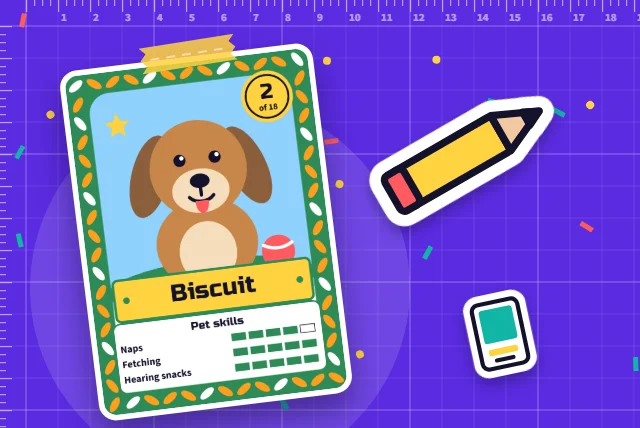
Plan your first photo card on paper before you drag a single piece
A short paper plan that settles the reader, picture, words and layout before you build.
Design your first card
What the eye reads first on a small card, and how to steer it
Rank the face, name and details, then use size and contrast so the card is read in that order.
Design your first card
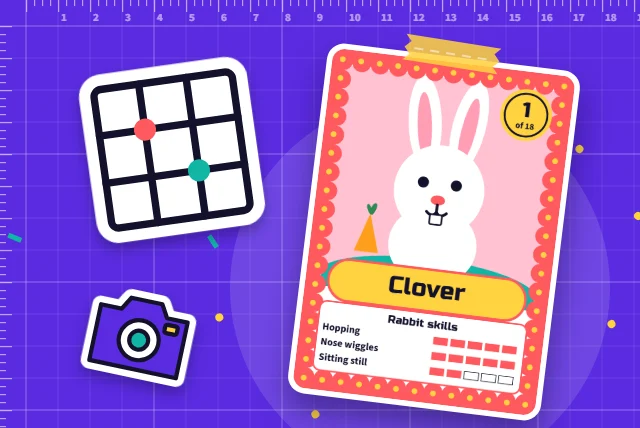
Where to place the subject inside your card’s picture window
When to use thirds, when to center, and how to move a picture inside its window.
Design your first card
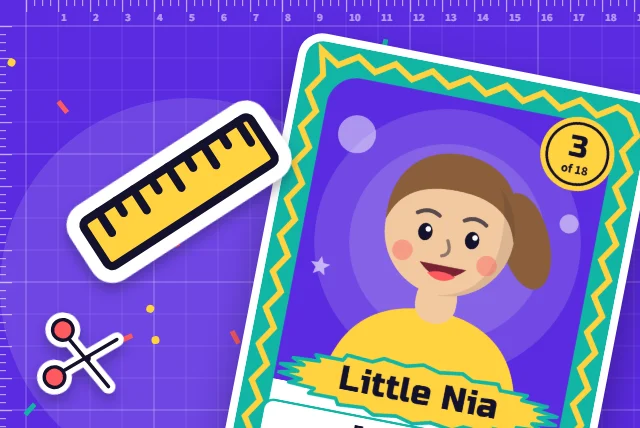
Margins and the cut-safe area: keep names and faces away from the blade
Why cuts drift, how big the safe area is on each size and what may reach the edge.
Design your first card
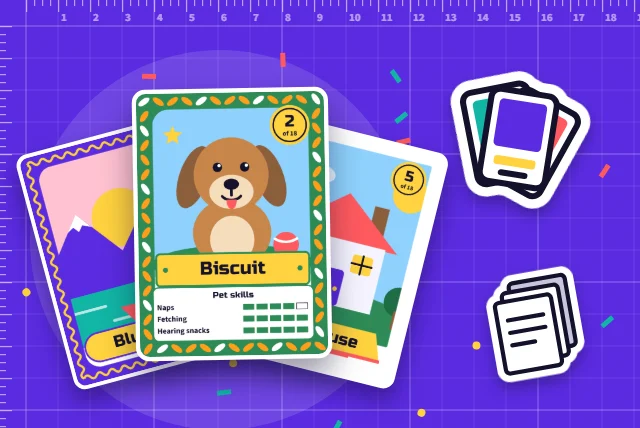
Classic, Mini, Square or Large: choosing between the four card sizes
Compare the four sizes by room, shape and sheet count before you start a layout.
Design your first card
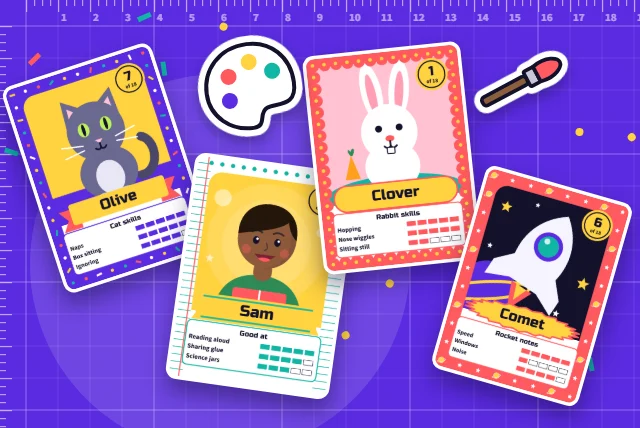
Picking card colors that keep names and faces easy to read
Give three colors three jobs, check contrast and test the result on paper.
Design your first card
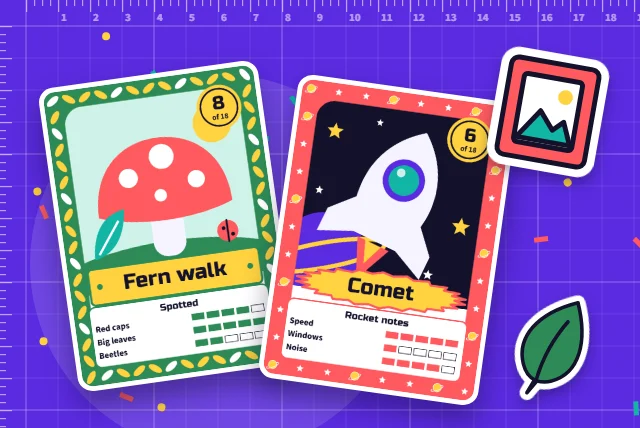
Matching a card frame to your picture instead of fighting it
Read the picture’s mood, pick a frame style to suit it and compare three options.
Design your first card
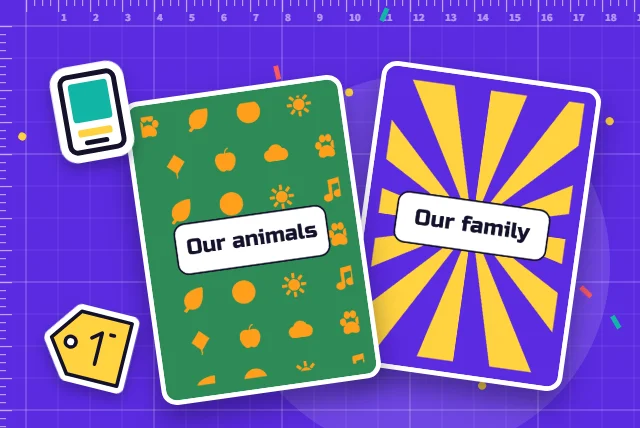
Designing the back of a card people will want to turn over
Give the back one job, keep the words short and keep private details off it.
Design your first card
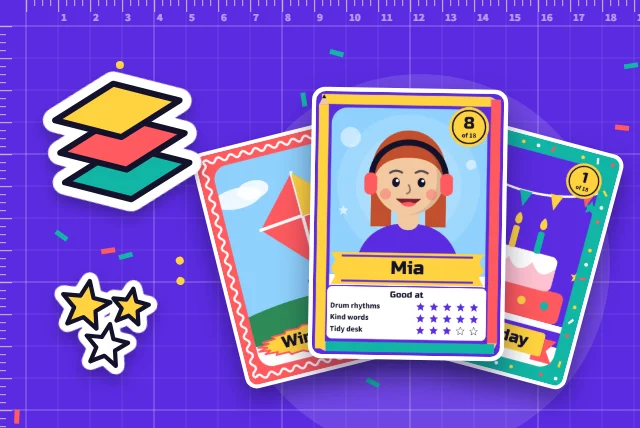
Layers on a card: deciding what sits on top of what
A bottom-to-top stacking order, with ways to find, lock, copy and rescue pieces.
Design your first card