All card-making guides
Search by word or narrow by topic. Every guide ends with something you can try on your next card.
45 guides
Guides
Plan your first photo card on paper before you drag a single piece
A short paper plan that settles the reader, picture, words and layout before you build.
Design your first card
What the eye reads first on a small card, and how to steer it
Rank the face, name and details, then use size and contrast so the card is read in that order.
Design your first card
Where to place the subject inside your card’s picture window
When to use thirds, when to center, and how to move a picture inside its window.
Design your first card
Margins and the cut-safe area: keep names and faces away from the blade
Why cuts drift, how big the safe area is on each size and what may reach the edge.
Design your first card
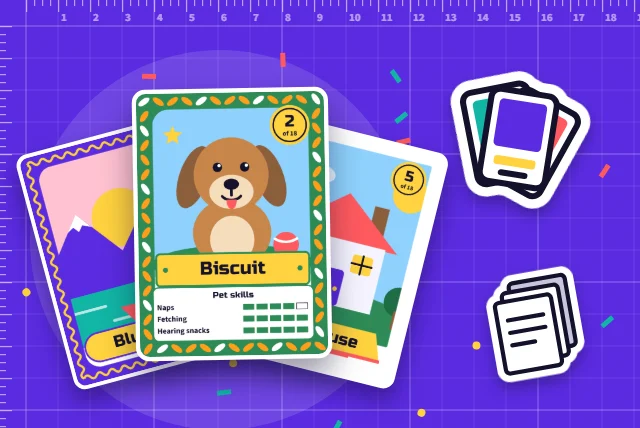
Classic, Mini, Square or Large: choosing between the four card sizes
Compare the four sizes by room, shape and sheet count before you start a layout.
Design your first card
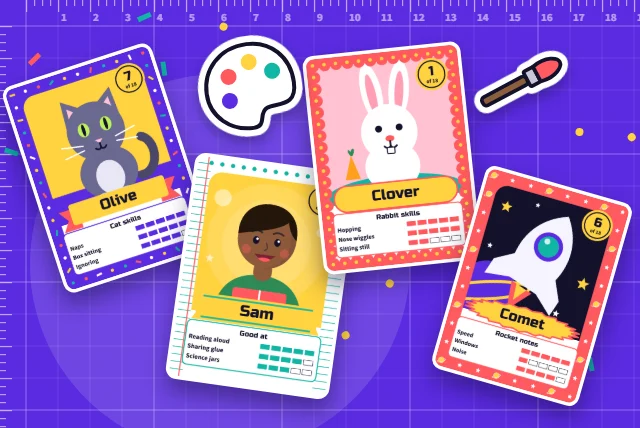
Picking card colors that keep names and faces easy to read
Give three colors three jobs, check contrast and test the result on paper.
Design your first card
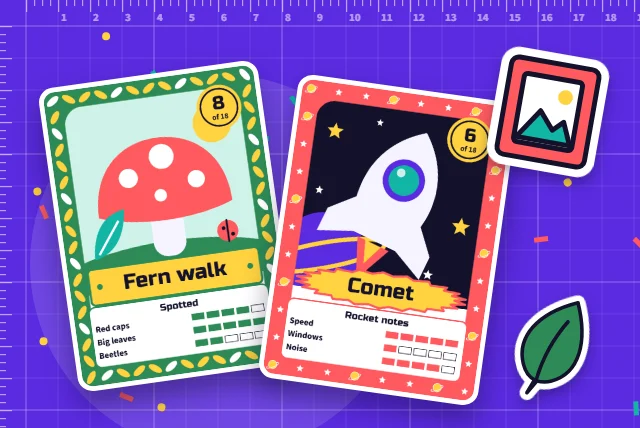
Matching a card frame to your picture instead of fighting it
Read the picture’s mood, pick a frame style to suit it and compare three options.
Design your first card
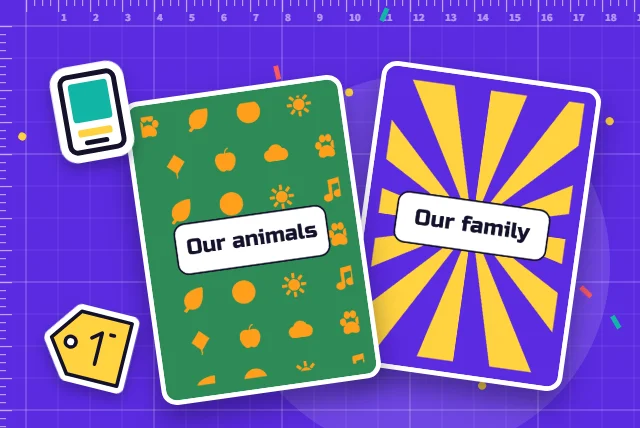
Designing the back of a card people will want to turn over
Give the back one job, keep the words short and keep private details off it.
Design your first card
Layers on a card: deciding what sits on top of what
A bottom-to-top stacking order, with ways to find, lock, copy and rescue pieces.
Design your first card
Light a card photo with one window and a sheet of white paper
Set up soft window light at home so faces and objects stay clear on a small printed card.
Photos and drawings
Set up a plain background that lets your subject stand out
Choose and set up a calm backdrop so a person, pet or object reads clearly on a small card.
Photos and drawings
Crop a portrait so the face stays clear on a small card
Frame a face for a small picture window with a sensible eye line, headroom and clean crop edges.
Photos and drawings
Photograph a drawing so it looks flat, square and evenly lit
Copy a drawing with your phone so lines stay straight, paper stays even and colors look right.
Photos and drawings
Scanner or camera: how to capture drawings and old pictures
Choose a flatbed scanner or a camera by the size, surface and condition of what you are copying.
Photos and drawings
How many pixels does a card photo need to print sharply?
Divide pixels by printed inches, then check what is left after you zoom and crop.
Photos and drawings
Photograph pets for their cards without a blurry nose
Get a sharp, calm pet photo with good light, a low viewpoint and short, patient sessions.
Photos and drawings
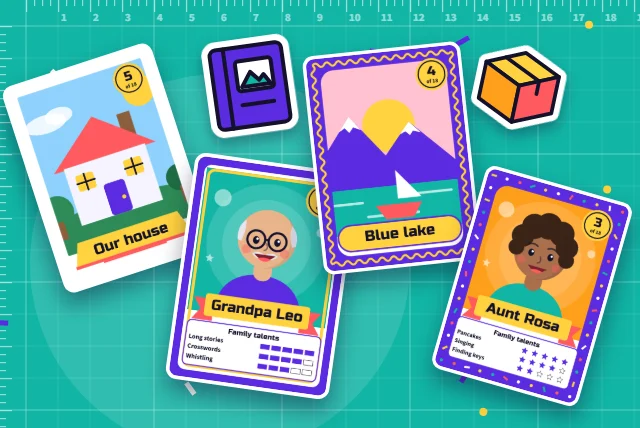
Put old printed family photos on cards without harming them
Copy old prints with clean handling, then crop and label the copy and leave the original alone.
Photos and drawings
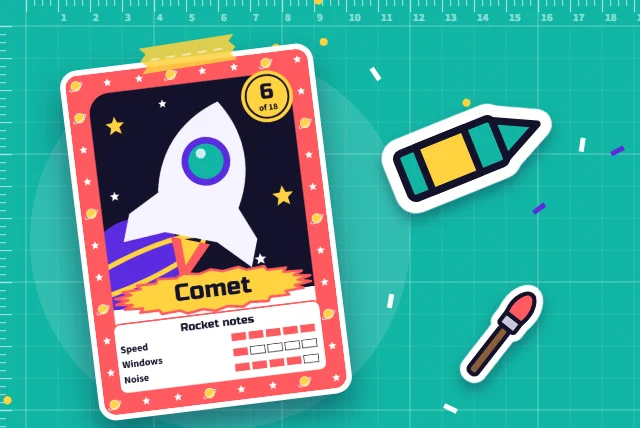
Draw artwork that fits the picture window and survives shrinking
Match your drawing area to the card window, then draw bold shapes that stay clear when shrunk.
Photos and drawings
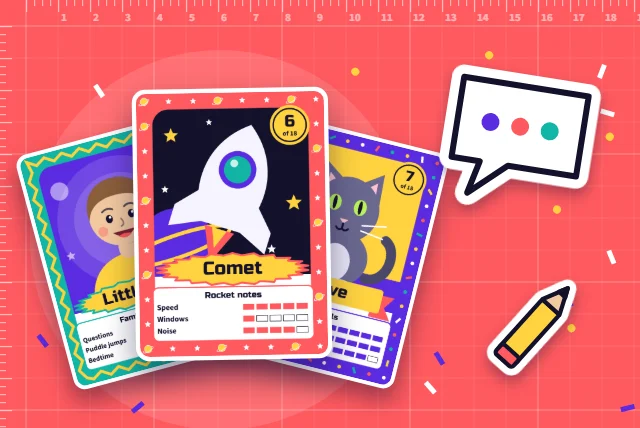
Inventing card names and titles that sound like the person
Turn real habits into short, warm card names that fit on a banner.
Names, stats and text
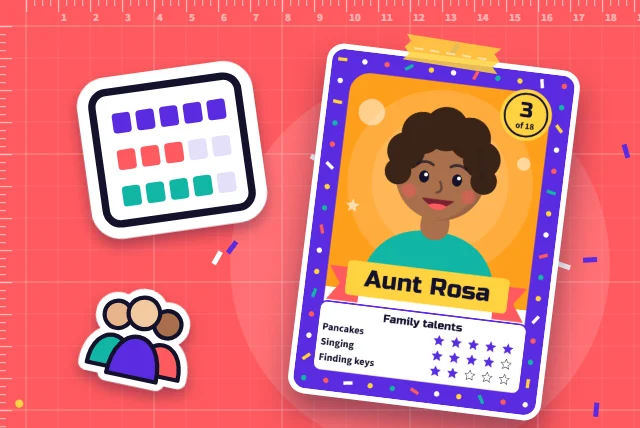
Inventing attributes that sound like your own people
Turn real habits into short attribute labels that fit one row and feel personal.
Names, stats and text
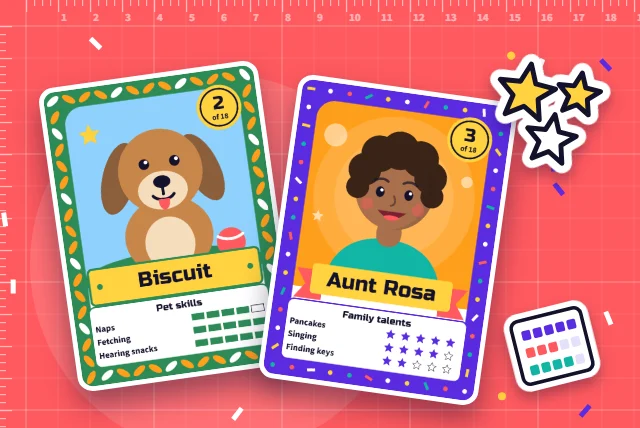
Bars or stars: choosing how your card shows attribute levels
Pick bars or stars by who will read the card, how big it is and how it prints.
Names, stats and text
How many attributes fit on a small card before it feels crowded
A height budget in inches shows how many attribute rows each card size can hold.
Names, stats and text
Writing a two-line card description that sounds true
One idea, two short lines: a simple way to write descriptions that sound true.
Names, stats and text
Type that stays readable when a card is printed small
Point sizes in inches, sensible targets for each line, and a printed strip to check.
Names, stats and text
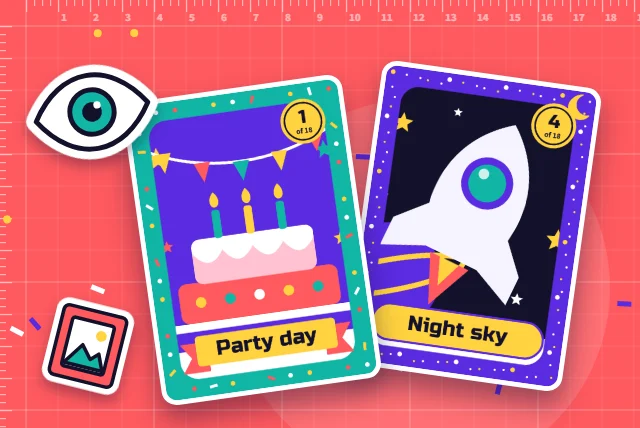
Keeping card text readable when it sits over a photo
Back, move or recolor text so a busy picture does not swallow the name.
Names, stats and text
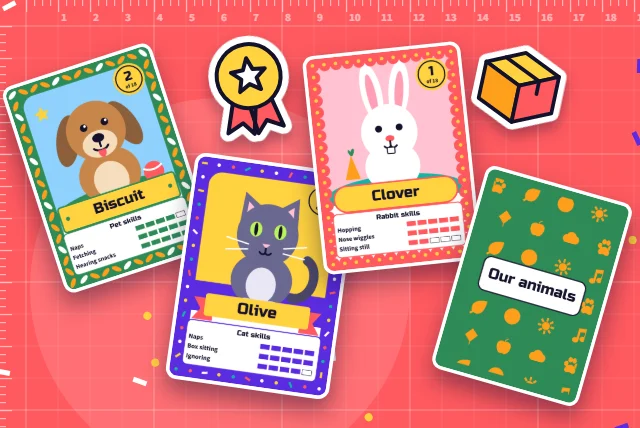
Numbering your card collection and labeling each set
Settle the order, number in one spot and name groups so a set stays easy to sort.
Names, stats and text
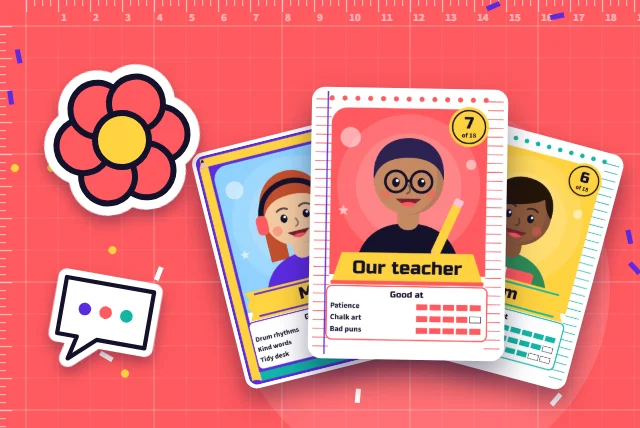
Kind wording for cards about real people
Spot hidden comparisons, rewrite stinging lines and ask people before printing.
Names, stats and text
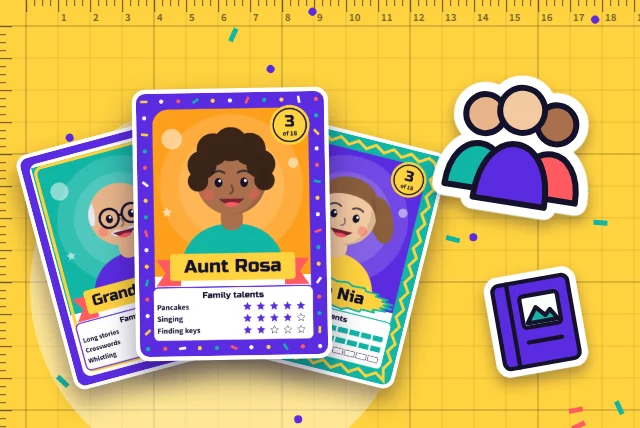
A photo card set for a family gathering that helps people place each other
Give the set one job, count cards and sheets, and gather pictures weeks before the family arrives.
Sets for occasions
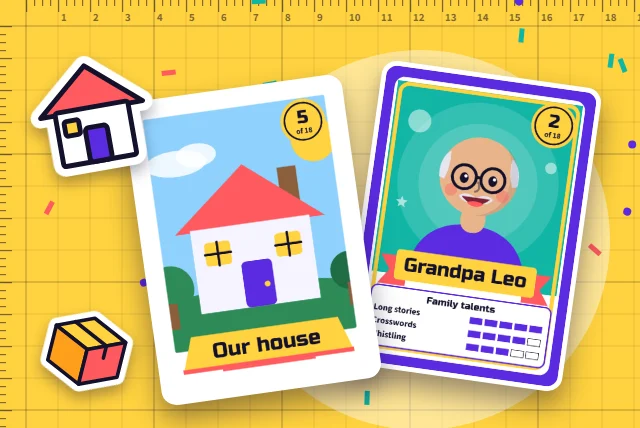
Keepsake cards for grandparents: a small present made of shared moments
Choose one thread, a readable size and short personal notes for a card set grandparents will reread.
Sets for occasions
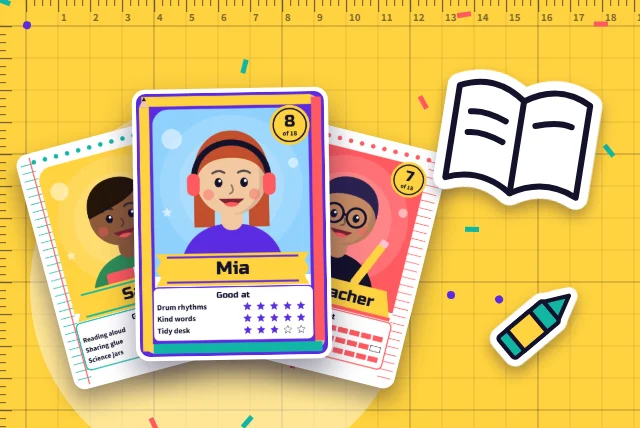
Class memory cards for the last week of the school year
Make a card for every child at year’s end while keeping personal details off all of them.
Sets for occasions
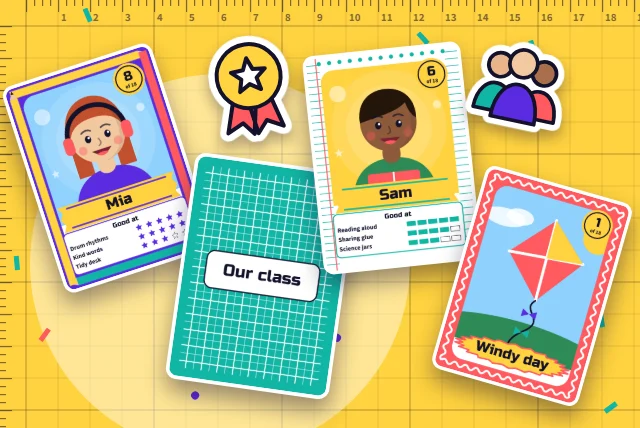
Member cards for a club or team that everyone is glad to appear on
One shared design, personal details that never rank anyone, and an easy way to add newcomers.
Sets for occasions
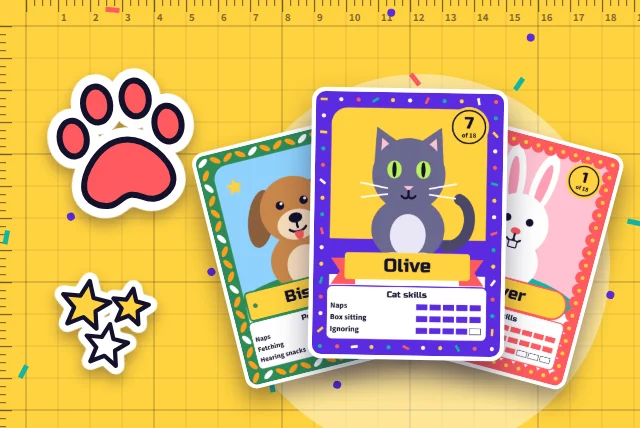
Profile cards for the animals at home: what to put on each one
Watch first, then turn real habits into traits, a short description and useful care notes.
Sets for occasions
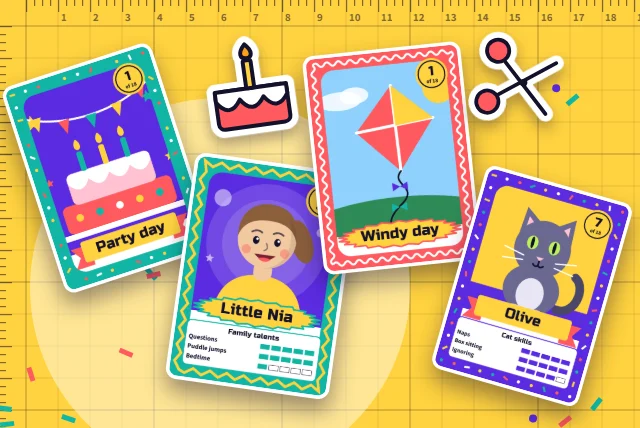
Set up a card-making table at a party without a queue at the screen
Split card making into stations so guests create together and nobody waits long for the screen.
Sets for occasions
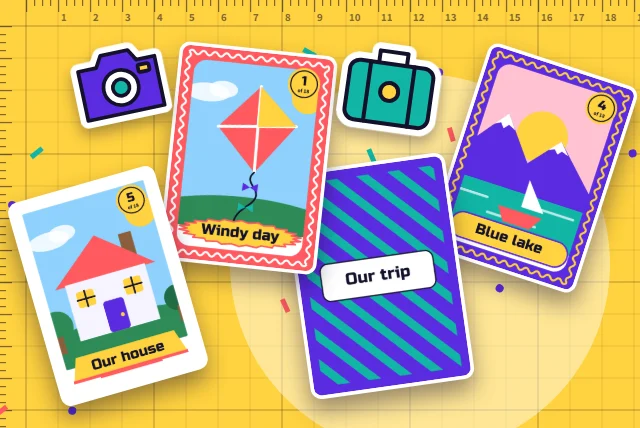
Memory cards from a trip: choose a dozen moments and give each one a card
Sort the pictures first, choose moments over sights, and caption them before the details fade.
Sets for occasions
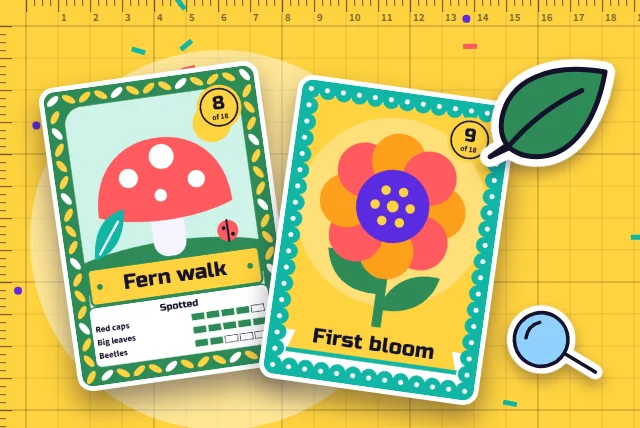
Cards of the plants and creatures you notice outdoors
Record small outdoor finds with your own photos and sketches, without moving or picking anything.
Sets for occasions
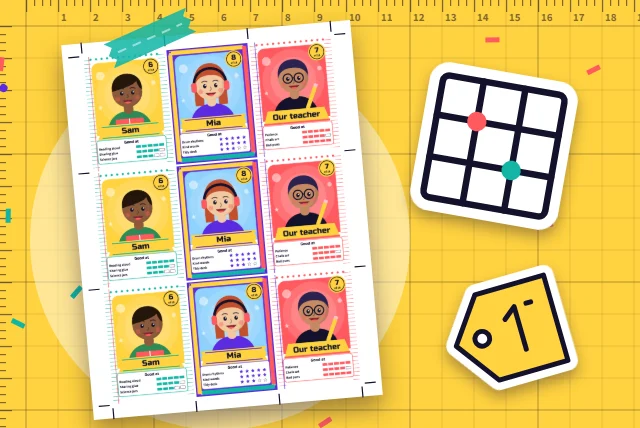
Keep a whole card set consistent with a short plan and one master card
Decide theme, size and order once, copy a tested master card and check all the cards together.
Sets for occasions
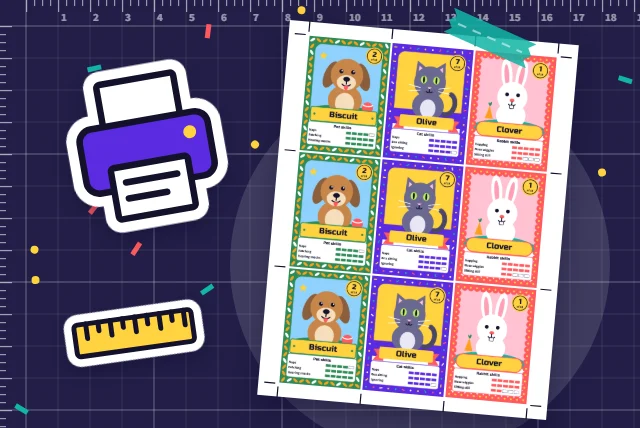
Print your cards at actual size on letter paper
The print settings that keep each card the size you designed, and how to check them with a ruler.
Print, cut and keep
Choose paper and cardstock that make sturdy cards
How to read a paper label, choose a finish and test a sheet before you print the whole set.
Print, cut and keep
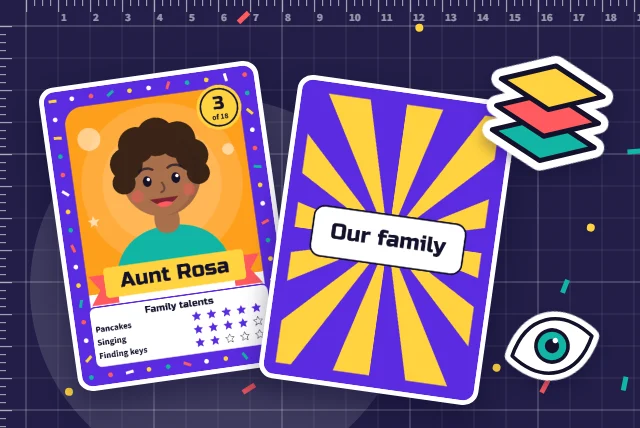
Line up the front and back of a two-sided card
Choose the right flip edge, measure the shift on a test sheet and correct it before printing the set.
Print, cut and keep
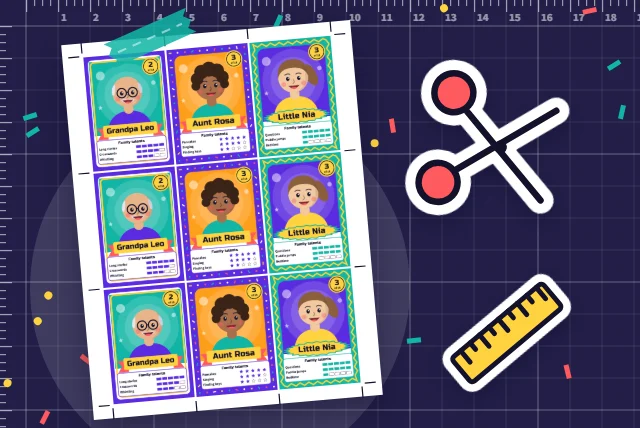
Cut your cards straight with scissors, a trimmer or a knife
Which cutting tool to use, the order of cuts that keeps cards square and how to fix a crooked edge.
Print, cut and keep
Round the corners of your cards by hand or with a punch
Choose a curve, round all four corners the same way and keep your design safe near the edges.
Print, cut and keep
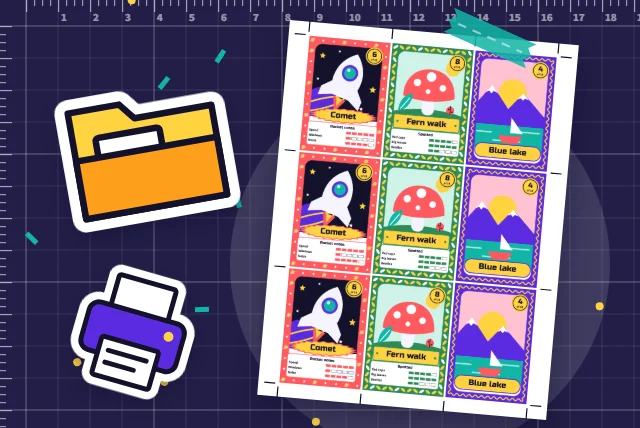
Save your card sheets as a PDF and print them somewhere else
Create a PDF from the print window, check it, and hand it to another printer with clear notes.
Print, cut and keep

Protect and store your cards in sleeves, boxes and albums
Which plastics, boxes and album pages to choose, and where at home a card set should live.
Print, cut and keep
Keep a safe copy of your card project outside the browser
Why a browser save is not enough, and a simple routine for keeping copies of your cards.
Print, cut and keep
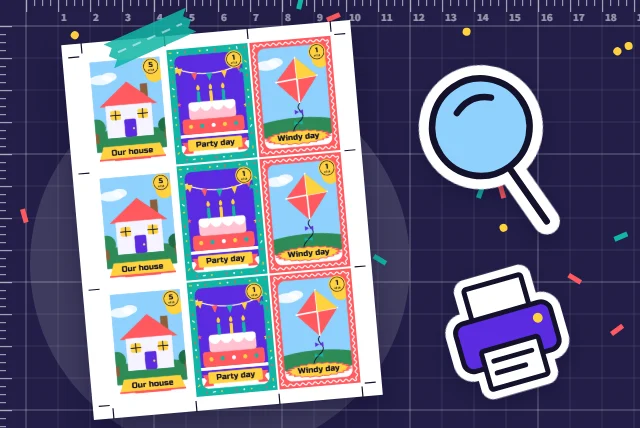
Fix dull, blurry or striped card prints before reprinting
Find why a card printed badly and what to change before you spend more ink and paper.
Print, cut and keep
No guide matches that. Try one word, such as “light” or “paper”, or choose the topic “All”.